
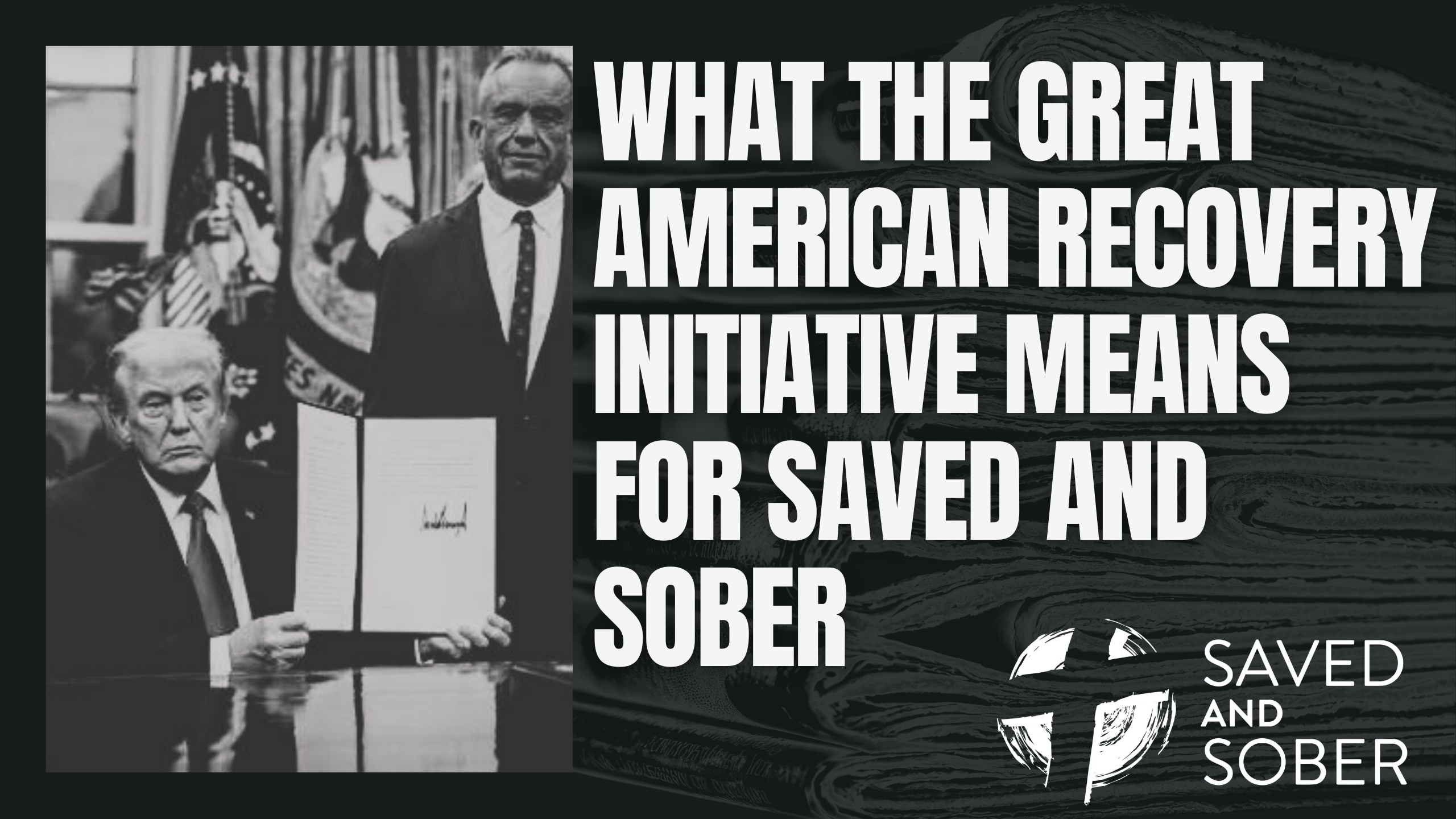
On January 29, 2026, Donald Trump signed an executive order establishing the Great American Recovery Initiative, a coordinated federal effort to address addiction, recovery, and re-entry across the United States. The action directs the White House to align federal agencies around prevention, treatment, long-term recovery support, and partnerships with states, communities, and faith-based organizations. Leadership of the effort is co-chaired through the U.S. Department of Health and Human Services and senior advisors focused on addiction recovery, including Robert F. Kennedy Jr..
While the order outlines direction rather than program details, one theme is clear: recovery will move closer to the community. The initiative calls for consultation with local leaders, faith-based groups, and community organizations to shape how recovery support reaches people where they live.
For programs like Saved and Sober, this is significant.
A Federal Signal That Recovery Belongs in the Community
Saved and Sober was built on a simple conviction: recovery works best when it is embedded in real community life. Churches, families, volunteers, and peers walking together day after day create an environment where change lasts. The federal initiative affirms this model by recognizing that recovery support cannot be limited to clinical settings alone. It must involve trusted local relationships.
This opens a door for community recovery programs to become visible partners in a national conversation.
Increased Attention to Faith-Based and Community Organizations
The executive order specifically mentions faith-based and community organizations as part of the solution. That language carries weight. It means federal agencies are being directed to listen to, learn from, and collaborate with programs already working on the ground.
Saved and Sober operates in multiple states, partners with churches, works alongside local governments, and connects participants to existing services when higher levels of care are needed. This positions the program well for conversations with public health departments, county agencies, and state leaders who will be looking for proven community models.
Opportunity to Help Shape Grant Guidance and Best Practices
One component of the initiative is advising how federal grants can better support recovery efforts. Programs with real-world experience will have the opportunity to share what works:
-
Daily peer support rather than weekly meetings only
-
Family and community involvement in the recovery process
-
Ongoing accountability and discipleship
-
Integration with local services and public health resources
-
A culture that replaces stigma with hope
Saved and Sober has four years of lived experience doing this work across diverse communities. That experience becomes valuable input as federal guidance evolves.
A Platform to Elevate the Voice of Recovery Churches
Many churches want to help with addiction and recovery yet feel unprepared. Saved and Sober has developed training, curriculum, and systems that make it possible for churches to step into this role with confidence. As federal attention turns toward recovery partnerships, churches that are part of Saved and Sober can become examples of what community recovery looks like in practice.
This initiative creates a moment where the work of local churches can be seen on a national stage.
Practical Steps Forward for Saved and Sober
-
Document outcomes, stories, and measurable impact.
-
Strengthen relationships with county behavioral health, public health, and re-entry services.
-
Prepare to participate in listening sessions, advisory groups, and stakeholder meetings that emerge from this initiative.
-
Share the Saved and Sober model with leaders who are searching for solutions that extend beyond treatment alone.
A Moment of Alignment
For years, Saved and Sober has operated with the belief that recovery is a whole-community responsibility. The Great American Recovery Initiative signals that this belief is gaining recognition at the highest levels of government.
This is not about changing who Saved and Sober is. It is about stepping into a moment where the nation is looking for what Saved and Sober has already been doing.
The door is open for community-led, faith-rooted recovery to be heard, seen, and valued as part of the national solution.


Responses